Thanksgiving Honey Jar 3D Light Box Review
As a designer who spends hours scrutinizing stitch patterns, tension settings, and fabric interactions, I approach every new embroidery file with a mix of curiosity and skepticism. The market is flooded with generic holiday motifs, so finding a design that balances aesthetic charm with technical viability is rare. When I first pulled up the Thanksgiving Honey Jar 3D Light Box, I wasn’t just looking at a pretty picture; I was evaluating its potential as a commercial asset and a personal project piece. This machine embroidery design promises to capture the essence of autumn through a honeycomb shadow box concept, but does it hold up under the needle?
First Impressions and Visual Personality
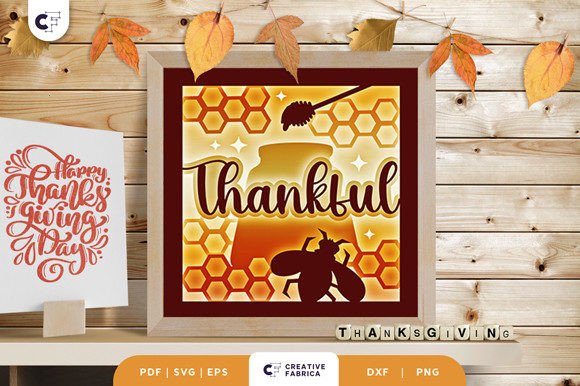
The immediate appeal of this design lies in its thematic cohesion. It moves away from the traditional pumpkin-heavy aesthetics often seen in November collections and instead leans into the warmth of harvest and nature. The central motif—a jar filled with golden honey, surrounded by geometric honeycomb structures—creates a strong focal point. For an Etsy seller or small shop owner, this distinct visual identity is crucial. It stands out in a feed full of standard turkeys and cornucopias.
The "3D" aspect mentioned in the title suggests depth, which in embroidery terms usually means a clever use of layering, varying stitch densities, or perhaps applique elements. Visually, the layout feels balanced. The hexagonal patterns provide a structured grid that contrasts nicely with the organic curves of the jar and the flowing drips of honey. This contrast is what gives the design its professional polish. It doesn’t look cluttered, even though it contains multiple elements: the jar, the lid, the comb, and likely some decorative leaves or bees. This level of detail signals a higher perceived value for the finished product.
Real-World Application: From Screen to Stitch
I envision this design thriving on specific mediums where texture and warmth are desired. My primary test scenario involved a natural canvas tote bag design. The earthy tones of raw cotton complement the amber and gold hues typically used in this colorway. However, the true test of any embroidery project is how it handles different fabrics. I also considered placing this on a heavyweight fleece sweatshirt for cozy fall wear. The density of the honeycomb fill stitch would anchor well against the soft nap of the fabric, preventing the design from looking lost or washed out.
For home decor, this design is exceptionally versatile. A pillow cover in burnt orange or deep brown would make this a stunning centerpiece for a Thanksgiving table setting. The "Light Box" descriptor hints at a possible cut-out or negative space element, which could be particularly striking if embroidered onto a sheer curtain or used as a standalone wall hanging. If you are creating personalized gifts, adding a name inside the jar or on the label adds a bespoke touch that customers love. It transforms a simple commodity into a keepsake.
Technical Considerations and Fabric Compatibility
While the visual appeal is high, practical execution requires careful planning. Not all fabrics play nice with complex 3D SVG conversions. If you attempt this on thin, stretchy knits without proper stabilization, you will likely encounter puckering, especially around the dense satin stitches that outline the jar. I strongly advise using a cut-away stabilizer for woven fabrics like linen or canvas to ensure long-term durability. For knit projects, a tear-away might suffice for light use, but a wash-away backing can help maintain structure during stitching.
Color contrast is another critical factor. The success of this design hinges on thread selection. If your background fabric is dark, you must choose bright, reflective threads for the honeycomb to ensure visibility. Conversely, on light fabrics, avoid overly pale yellows that might blend into the material. Always check your thread colors against your fabric swatch before committing to the full hoop. I recommend running a black-and-white mockup of the design to verify that the shapes remain distinct even without color differentiation.
Where to Use Caution
There are certain applications where this design might struggle. Small hoop sizes are risky here. If the design includes intricate details like bee wings or fine text on the jar label, shrinking it down may result in muddy stitching or lost definition. Similarly, textured fabrics like bouclé or heavy tweed can hide the nuances of the satin stitch and fill stitch techniques. In these cases, the design may lose its crispness. Avoid placing this on curved surfaces like baseball caps unless you have significant experience with cap hoops and tension adjustments. The structural integrity of the honeycomb pattern might distort if the curve is too aggressive.
Stitch Density and Construction Notes
From a technical standpoint, the interplay between different stitch types is key to achieving the "3D" effect. You should expect a mix of running stitch for outlines and finer details, and dense fill stitch for the honeycomb cells. Pay close attention to the transition areas where these stitches meet. Poorly placed jump stitches or lack of trim commands can lead to thread breaks or messy backsides. Before exporting, inspect the digital preview for any overlapping elements that might cause confusion for the machine.
If the design incorporates applique, ensure that your machine’s hooping capabilities support multi-step processes. Applique adds a tactile dimension that enhances the handmade product feel, but it increases production time. For commercial embroidery businesses, consider whether the added labor justifies the price point. Sometimes, a simplified version of the design works better for high-volume items like tea towels, while the full detailed version is reserved for premium gift sets.
Final Verdict for Crafters and Sellers
The Thanksgiving Honey Jar 3D Light Box is more than just a seasonal decoration; it is a well-composed digital embroidery file that offers substantial creative flexibility. It appeals to the growing demand for rustic, nature-inspired decor and personalized gifts. For the craft business, it provides a unique selling proposition that differentiates you from sellers offering generic holiday graphics.
However, success depends on preparation. Test the design thoroughly. Check the stitch density to ensure your machine can handle the load without breaking needles. Confirm the licensing terms if you plan to sell finished items, as some designers restrict commercial use. By respecting the technical requirements and pairing the design with high-quality materials, you can create a finished product that resonates with customers. It captures the cozy, abundant spirit of Thanksgiving in a way that feels both modern and timeless. Whether you are updating your design assets library or preparing for the holiday rush, this design deserves a spot in your rotation.