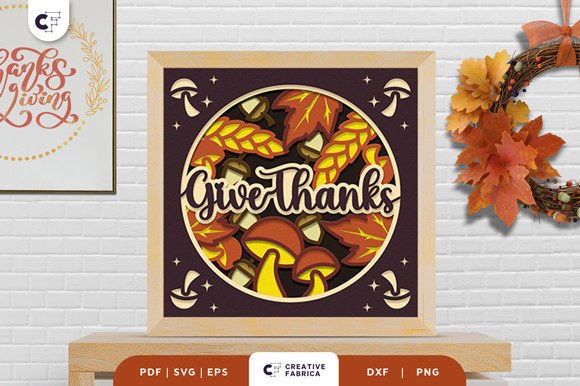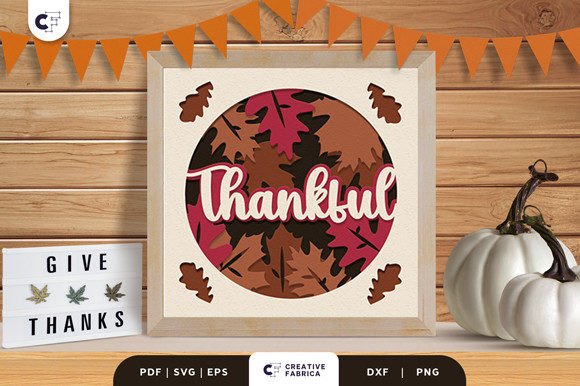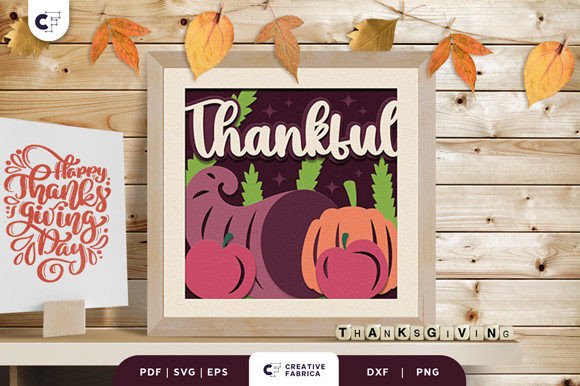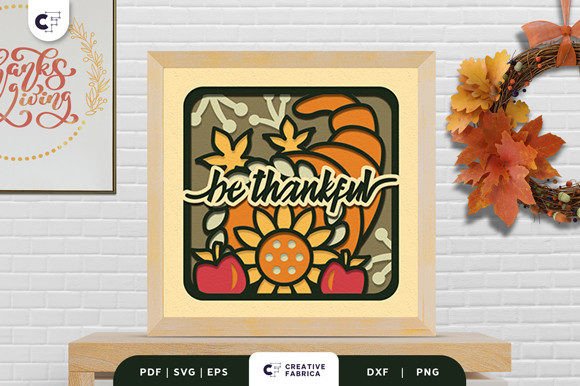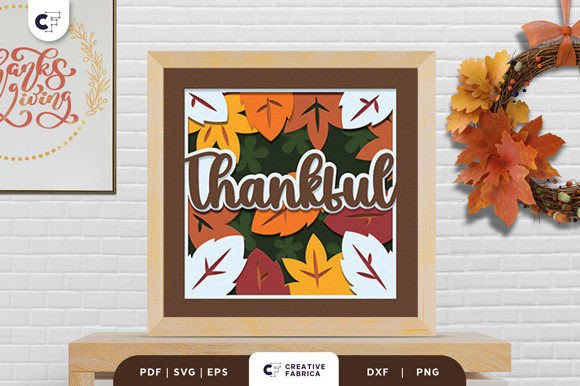
Thankful Autumn Leaves 3D Shadow Box
As a designer who spends more time looking at stitch density charts than actual autumn foliage, I approach every new machine embroidery design with a healthy dose of skepticism. The market is flooded with generic fall motifs, but few manage to capture the season’s warmth without feeling cluttered or dated. When I first laid eyes on the Thankful Autumn Leaves 3D Shadow Box, however, I paused. This isn’t just another vector file waiting to be digitized; it feels like a finished piece of art that has been translated into thread. For those of us in the craft business or running an Etsy seller boutique, finding designs that bridge the gap between digital asset and tangible luxury is rare. This 3D SVG offers exactly that promise, provided we understand how it translates from screen to hoop.
First Impressions: Mood and Visual Personality
The immediate appeal of this design lies in its atmospheric depth. Unlike flat fill stitches that can sometimes look muddy on smaller projects, the shadow box concept creates a layered effect that mimics physical dimensionality even before the first stitch is thrown. It evokes a sense of gratitude and cozy nostalgia, making it perfectly suited for the Thanksgiving season. The layout suggests a focal point that draws the eye inward, which is crucial for custom apparel where you want the viewer to linger on the detail.
From a stylistic standpoint, the design avoids the trap of being overly busy. Many fall-themed files try to cram pumpkins, cornucopias, and turkeys into one space, resulting in a chaotic visual noise. In contrast, this design relies on the organic shapes of leaves and the implied structure of a frame. It feels editorial and modern, rather than traditional or kitschy. This makes it versatile enough for a high-end small shop product as well as a heartfelt personalized gift. The mood is warm, inviting, and sophisticated—a combination that rarely fails when targeting customers looking for meaningful home decor or wearable art.
Real-World Application: From Tote Bags to Nursery Decor
I recently tested the potential of this design by imagining it applied to a variety of substrates, simulating the workflow of a commercial embroidery studio preparing for the holiday rush. The versatility of the Thankful Autumn Leaves 3D Shadow Box becomes apparent quickly. It works exceptionally well on structured items like canvas tote bag design options, where the clean lines of the shadow box complement the sturdy fabric. The contrast between the soft, natural theme of the leaves and the utilitarian nature of a tote creates a charming juxtaposition that resonates with buyers.
However, the true test for any embroidery project is how it holds up on softer, more challenging materials. I envision this design thriving on heavyweight cotton sweatshirts or fleece blankets intended for holiday embroidery campaigns. The depth created by the shadow technique adds weight to the garment visually, preventing the embroidery from looking like a cheap sticker slapped on the chest. Furthermore, its gentle aesthetic makes it an unexpected but excellent choice for baby embroidery. While fall themes are often associated with older children or adults, the soft curves and "thankful" sentiment translate beautifully to nursery decor, crib blankets, or onesies, offering a gender-neutral alternative to typical baby graphics.
For the Etsy seller or digital product seller, this design also serves as a strong foundation for mockups. Because the design implies a frame or box, it photographs beautifully against rustic backgrounds like wood grain, burlap, or dried floral arrangements. These printable mockup scenarios help convey the premium quality of the finished product before the customer even purchases the item, increasing conversion rates through visual storytelling.
Strategic Placement and Fabric Considerations
While the design is robust, it requires thoughtful placement to maintain its integrity. One area where caution is needed is on textured fabrics. If you attempt to stitch this on a heavy boucle wool or a highly napped fleece, the stitch density may struggle to penetrate evenly, causing the fine details of the leaf veins or shadow edges to blur. Similarly, on stretchy knits, the tension required for a shadow box effect might cause puckering if not stabilized correctly. Always ensure you are using a cut-away stabilizer for these types of fabrics to keep the hoop size stable during stitching.
Another critical consideration is the scale. This design is best utilized in medium to large hoop sizes. Attempting to shrink it down to fit a tiny cap logo or a miniature embroidered patch will result in a loss of definition. The subtle gradients and shadows that give the design its character need room to breathe. On curved surfaces like baseball caps, the distortion of the brim can warp the geometric aspects of the shadow box, so it is safer to reserve this design for flat panels or structured bags where the surface remains taut and predictable.
Thread color selection is equally vital. The success of a shadow box effect relies heavily on contrast. If your thread colors blend too closely with the base fabric, the illusion of depth collapses. I recommend testing your chosen palette on scrap fabric first. A common mistake is using low-contrast neutrals on dark fabrics, which can make the design disappear. Conversely, bright, saturated threads on light fabrics can sometimes look harsh if the shadow tones aren't muted enough. Reviewing the design in black and white mockups can help you gauge the tonal range before committing to expensive specialty threads.
Designer Notes for Production Success
Before adding this embroidery file to your production queue, there are several practical steps to ensure client satisfaction and protect your reputation. First, inspect the small details. Zoom in on the digitization to check for overly dense areas that might cause thread breaks or needle deflection. If the design includes satin stitch borders around the shadow box, verify that the corner transitions are smooth to avoid unsightly bunching.
It is also essential to confirm the licensing terms. As a designer, you know that commercial rights vary wildly between creators. Ensure you have the appropriate license to sell finished goods made with this digital embroidery file. If you are creating design assets for other makers, clarity on redistribution rights is non-negotiable.
Finally, consider the end-user experience. Products featuring this design should ideally be cared for gently. While machine embroidery is durable, the layered nature of a shadow box can catch on rough surfaces. Including care instructions with your handmade product—such as washing inside out on a gentle cycle—helps preserve the thread colors and structural integrity over time. This attention to detail builds customer trust and reinforces the value of your brand.
In summary, the Thankful Autumn Leaves 3D Shadow Box is a standout addition to any library of seasonal designs. It balances artistic flair with commercial viability, offering creative entrepreneurs and makers a tool to create memorable, high-quality items. By respecting its technical requirements and placing it strategically on the right substrates, you can produce finished products that truly celebrate the beauty of the season while driving engagement and sales in your craft business.