Paper Doll House 3D Light Box SVG: A Designer’s Review for Branding
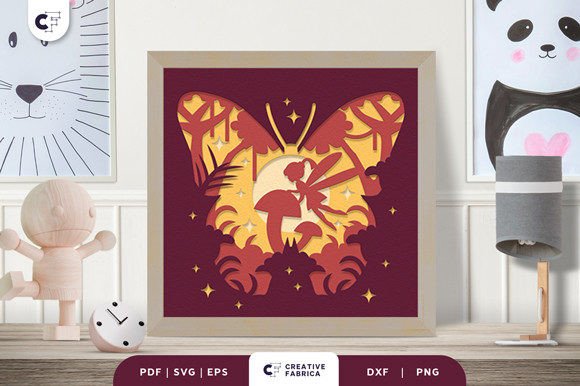
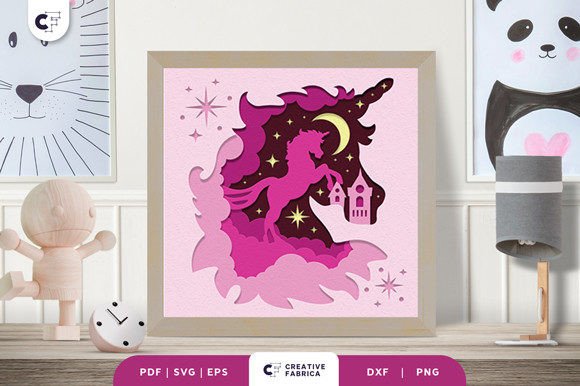
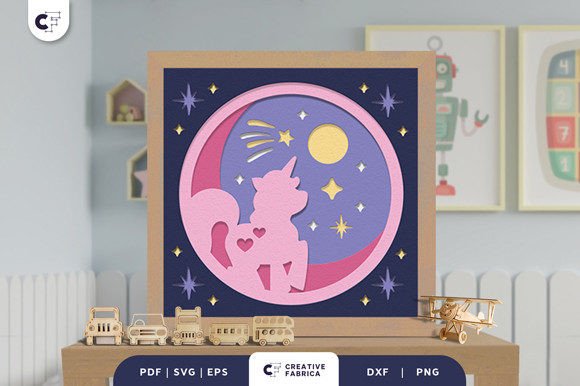
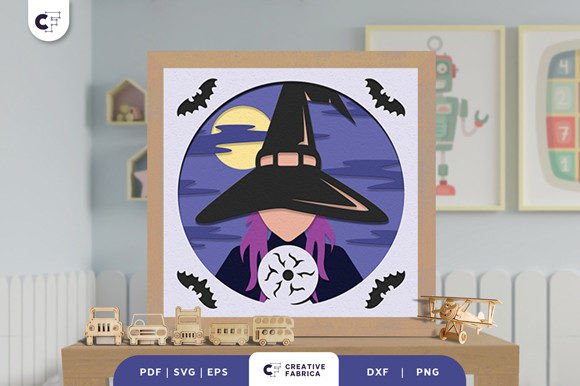
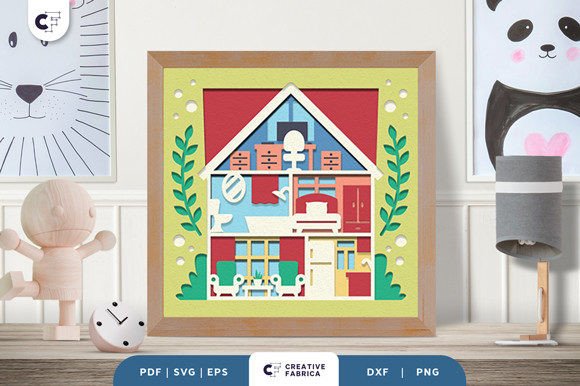
When I first pulled Paper Doll House 3D Light Box SVG into my design workspace, I didn’t just see a file; I saw a potential brand narrative. As a brand designer who frequently advises local business owners and boutique creators, I evaluate assets not just by their visual appeal, but by their functional versatility in real-world applications. This specific 3D SVG asset falls squarely into the Fantasy And Fairy Tales category, yet it possesses a structural integrity that makes it surprisingly robust for commercial use.
The description notes a "classic and timeless design," and from a professional standpoint, I agree. The shadow box aesthetic inherent in this Paper Doll House 3D Light Box SVG creates depth without requiring complex rendering software. For small business branding, this is a game-changer. It suggests a mood that is whimsical yet grounded, perfect for businesses that want to appear handmade, organic, and deeply personal rather than mass-produced or corporate.
Evaluating the Mood and Brand Personality
Before integrating any graphic design asset into a brand identity, you must ask: what personality does it project? The Paper Doll House 3D Light Box SVG exudes a sense of nostalgia and craftsmanship. It feels like something you would find in a curated gift shop or a high-end children’s boutique. It is playful, yes, but it is also elegant. It avoids the chaotic energy of some fantasy clipart by maintaining clean lines and distinct layers.
This asset works best for brands that prioritize emotional connection. If you are running a local bakery that specializes in themed cakes, a skincare line inspired by fairy tales, or a handmade candle company focusing on cozy, storybook aesthetics, this design asset aligns perfectly. It signals to the customer that attention to detail matters. It suggests that your product is not just a commodity, but an experience wrapped in care.
Real-World Applications for Local Businesses
In my recent projects, I have seen how versatile this type of illustration can be when applied correctly. Here is how I recommend utilizing the Paper Doll House 3D Light Box SVG across various touchpoints of your business presentation.
- Packaging Design: This is perhaps the strongest use case. Use the shadow box structure as a central element on your product boxes. It adds a tactile feel to digital mockups and physical packaging alike. For a boutique store selling handmade soaps or bath bombs, placing this graphic on the front label immediately elevates the perceived value.
- Product Labels and Hang Tags: Because the design has clear focal points, it scales well. You can isolate parts of the house structure for smaller hang tags or stickers. This helps maintain visual hierarchy, ensuring the brand name remains readable while the graphic adds decorative flair.
- Social Media Graphics: For social media managers, this asset is gold. It serves as an excellent background or overlay for promotional ads. Imagine a post announcing a new seasonal collection with the light box glowing softly behind the text. It stops the scroll because it offers a break from flat, generic imagery.
- Printable Inserts and Thank-You Cards: Customer trust is built in the unboxing experience. Including a thank-you card featuring the Paper Doll House 3D Light Box SVG reinforces the theme. It shows consistency. When a customer receives a package that matches the website banner and the product label, they perceive the business as more professional and trustworthy.
- Menu Graphics and Price Lists: For food businesses or cafes with a storybook theme, this vector can frame menu items. It breaks up text blocks and guides the eye naturally through the offerings.
Strategic Placement and Visual Hierarchy
To maximize the impact of this asset, you must understand where it shines and where it might clutter your message. Stronger first impressions are created when the graphic supports the text, not competes with it.
The Paper Doll House 3D Light Box SVG works best as a hero graphic or a decorative brand element. It should anchor your composition. However, there are areas where you must exercise caution. Avoid using this asset in formal corporate branding contexts where minimalism is key. It is also ill-suited for very small labels where the intricate details of the shadow box may become muddy when printed at low resolutions.
Be careful with crowded product packaging. If your label already contains extensive ingredient lists, legal disclaimers, and nutritional information, adding a complex 3D illustration can overwhelm the viewer. In these cases, use the asset sparingly—perhaps as a subtle watermark or a border accent—rather than the main focal point. Ensure there is enough negative space around the graphic to let it breathe.
Practical Designer Notes for Implementation
As you prepare to integrate this SVG design into your workflow, keep these technical and strategic considerations in mind. These steps ensure that your final output looks polished and professional.
- Test on Real Mockups: Never judge a design asset solely on a white screen. Import the vector into a packaging mockup tool. See how it interacts with shadows, textures, and lighting effects. Does the 3D effect hold up when simulated on cardboard or glass?
- Check Black and White Usage: Print a version of your design in grayscale. If the depth and layers disappear, the asset may rely too heavily on color gradients. A strong graphic design asset should retain its structural clarity even without color.
- Preview on Small Sizes: Zoom out to 10% size. Can you still distinguish the dollhouse elements? If the lines merge into a blob, you will need to simplify the vector paths for small-scale applications like social media avatars or tiny stickers.
- Color Compatibility: Test the asset against your brand colors. If your palette is dark and moody, the light box effect might get lost. You may need to adjust the opacity or add a glow effect in your editing software to make it pop.
- Font Pairing: Typography is crucial for professional branding. This whimsical, structured graphic pairs beautifully with serif fonts for a classic look or handwritten fonts for a personal touch. Avoid overly rigid sans-serif fonts unless you are aiming for a modern contrast. Always test the legibility of your text alongside the illustration.
- Inspect Vector Editability: Since this is an SVG, verify that the paths are editable. Can you change the color of the windows? Can you remove the roof if you only want the base? Flexibility allows you to adapt the asset for different campaigns, such as removing festive elements for a year-round brand presence.
- Confirm Commercial Licensing: Before using this asset for client work, business branding, or physical product sales, double-check the commercial license. Ensure you are permitted to modify the vector and sell products featuring the design. This protects your business from legal issues down the line.
Conclusion
The Paper Doll House 3D Light Box SVG is more than just a cute illustration; it is a powerful tool for small business branding. When used thoughtfully, it enhances product recognition, improves shelf appeal, and creates a cohesive visual language across all marketing visuals. Whether you are designing for a local florist, a handmade jewelry maker, or a digital product seller, this asset provides the whimsical elegance needed to stand out in a crowded marketplace. By respecting its strengths and applying it with strategic intent, you can create a brand identity that feels both timeless and deeply engaging.