Graduating Bear 3D Paper Cut SVG for School Content
In the world of digital publishing, visual hierarchy is not just an aesthetic choice; it is a critical component of user experience and reader retention. As a blog designer who has spent years optimizing content for both search engines and human attention spans, I approach every graphic design asset with a specific question: does this support the editorial mission? Does it build trust? Today, I am reviewing the Graduating Bear 3D Paper Cut SVG, a file that promises to bring a sense of whimsy and celebration to academic and milestone-focused content.
This asset is not merely a clipart image; it is a structural design element intended for layered rendering. When viewed through the lens of a content creator preparing a graduation-themed newsletter or a school-related affiliate guide, the potential impact of such a detailed vector file becomes clear. It offers depth, shadow, and texture that flat images often lack, providing a polished look that can elevate even the simplest blog post into a professional editorial piece.
The Editorial Mood and First Impressions
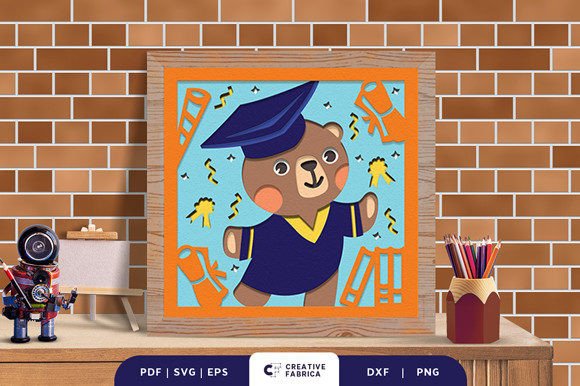
Upon opening the source file, the first thing that strikes me is the intentional use of negative space and layering. The design features a cute Little Teddy Bear, which immediately signals a tone that is playful, warm, and accessible. This is not a corporate, rigid, or overly serious design. Instead, it leans heavily into a lifestyle-focused, modern design aesthetic that feels artistic yet clean. For publishers in the education niche, parenting blogs, or small business branding sectors targeting families, this mood aligns perfectly with the emotional resonance required to engage readers.
The "fun colors" mentioned in the product description are crucial for web design. In a sea of monochrome or desaturated educational content, a burst of vibrant color can stop the scroll. However, as a publisher, I must also consider how these colors interact with text. The shadow box effect creates a natural focal point, drawing the eye directly to the center of the composition. This makes it an excellent candidate for hero images where the goal is to capture attention within the first three seconds of a page load.
Integrating Into Real Publishing Workflows
So, where does this 3D SVG fit into a real content marketing strategy? The versatility of SVG files allows them to scale without losing quality, making them indispensable for responsive web design. Here is how I would deploy this asset across different channels:
- Blog Featured Images: Use the bear as the primary anchor on the right side of a featured image, leaving ample negative space on the left for bold, high-contrast headline text. This supports better click-through potential by creating a balanced visual hierarchy.
- Pinterest Pins: Pinterest is a visual search engine. A 3D paper cut style stands out significantly more than flat illustrations in a feed full of standard photography. This design can serve as a unique brand identity marker for pins related to graduation gifts, party planning, or back-to-school tips.
- Digital Guides and Lead Magnets: If you are creating a downloadable PDF guide titled "The Ultimate Graduation Checklist," this SVG can be used as the cover art. It transforms a simple document into a perceived value-add, encouraging more email sign-ups for your lead magnet.
- Newsletter Headers: Email clients have strict limitations on code, but many allow embedded images. Using this as a header image adds a touch of personality to your monthly updates, reinforcing a friendly and supportive brand voice.
- Category Thumbnails: On a content website, consistent category visuals help with navigation. You could create a series of these bears in different poses or outfits to represent categories like "Gifts," "Decor," and "DIY Projects."
Enhancing Performance and Trust
One of the overlooked aspects of using high-quality design assets is their impact on reader trust. When a website looks professionally curated, visitors subconsciously assume the content inside is equally well-researched and reliable. By using a complex, well-designed asset like the Graduating Bear 3D Paper Cut SVG, you signal that you care about the details. This is particularly important for affiliate marketers who need to establish credibility before recommending products.
Furthermore, the scalability of SVG contributes to faster page load times compared to large PNG or JPEG files. In an era where Core Web Vitals influence SEO rankings, optimizing your visual assets is part of the job. A single SVG file can replace multiple resolution-specific images (e.g., @1x, @2x), reducing HTTP requests and improving overall site performance. This technical efficiency pairs well with the creative benefits, ensuring your content loads quickly while looking sharp on retina displays.
Strategic Placement and Visual Hierarchy
To maximize the effectiveness of this design, placement is key. The 3D paper cut style works best when it is allowed to breathe. Avoid cluttering the surrounding layout with competing elements. Ideal locations include:
- Article Headers: Placed centrally or aligned to one side with generous padding.
- Social Media Previews: Where the intricate layers can be appreciated even at smaller sizes.
- Editorial Accents: Used as a subtle background element behind quotes or key takeaways.
- Printable Resources: Since the output is crisp, it works beautifully for physical worksheets or certificates included in digital downloads.
When pairing typography with this graphic, consider the contrast between the organic, soft shapes of the bear and the structure of your fonts. A sans-serif font provides a modern, clean counterpoint, while a script font can enhance the celebratory, personal feel. Avoid overly decorative display fonts that might clash with the detailed layers of the paper cut.
Where Caution Is Required
No single asset is universal. There are scenarios where the Graduating Bear 3D Paper Cut SVG may not be the right choice. For instance, in serious professional niches such as legal advice, financial planning, or corporate news, the playful nature of a teddy bear may undermine the authority of the message. Similarly, on very minimal websites that rely on stark black-and-white aesthetics, the colorful complexity of this design might feel out of place.
Additionally, be mindful of mobile screens. While SVGs scale well, if the file contains too many intricate layers, it can become visually noisy on a small smartphone display. Always test the thumbnail version to ensure the main subject remains recognizable. If the details get lost, simplify the design or use a cropped version that focuses on the face of the bear.
Practical Publisher Notes for Implementation
Before integrating this asset into your commercial projects, keep the following practical steps in mind:
- Check Commercial Licensing: Ensure you have the appropriate rights to use the design on monetized websites, affiliate pages, or paid content products. A commercial license is essential for any design asset used in revenue-generating activities.
- Test Contrast and Readability: Place the graphic over various background colors to ensure it maintains its integrity. Check how it looks against white, dark gray, and pastel backgrounds.
- Optimize File Size: Even though SVGs are lightweight, complex paths can bloat the file size. Use optimization tools to strip unnecessary metadata before uploading to your media library.
- Preview in Context: Do not judge the asset in isolation. Insert it into a mockup of your actual blog layout. See how it interacts with your existing brand identity and whether it enhances or distracts from the core message.
In conclusion, the Graduating Bear 3D Paper Cut SVG is a versatile and charming addition to any digital publisher’s toolkit. It bridges the gap between playful creativity and professional presentation, making it ideal for school-related content, gift guides, and celebratory announcements. By using it strategically, you can improve your visual hierarchy, boost engagement, and create a more cohesive brand identity across all your digital platforms.