Flying Airplane 3D Paper Cut: A Brand Designer’s Review for Countries And Travel Campaigns
As a brand designer and content marketer, I spend most of my day dissecting visual assets to see if they hold up under the pressure of real-world marketing. We often get caught up in the aesthetics of a graphic design asset, forgetting that every pixel must serve a strategic purpose. Recently, I was tasked with refreshing the visual identity for a small business launching a line of travel-themed merchandise aimed at families. The goal was clear: create a cohesive look that felt premium yet playful, suitable for everything from Instagram posts to packaging inserts.
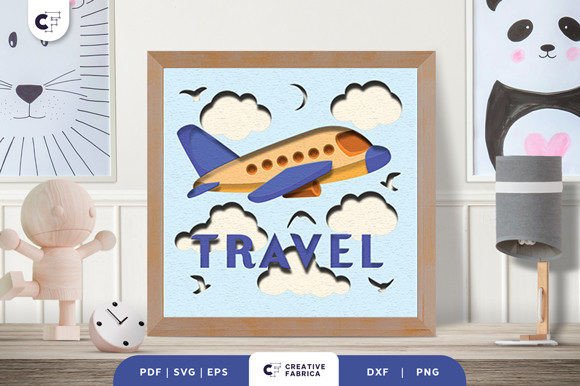
This is where Flying Airplane 3D Paper Cut entered the conversation. It is not just a simple icon; it is a complex 3D SVG file designed to mimic the depth and texture of paper engineering. In this review, I will break down how this asset performs in a professional workflow, its impact on audience perception, and whether it deserves a spot in your design bundle.
The First Impression: Mood and Emotional Tone
When you first load Flying Airplane 3D Paper Cut into your design software, the immediate takeaway is its tactile quality. Unlike flat vector icons that can feel sterile or corporate, this asset brings a sense of whimsy and craftsmanship. It evokes the feeling of a childhood toy or a high-end greeting card. This emotional tone is crucial for brands targeting parents, educators, or hobbyists who value nostalgia and creativity.
For our travel-focused campaign, this mood was perfect. It softened the hard edges of logistics and schedules, replacing them with the excitement of exploration. However, designers should note that this level of detail requires careful handling. If placed against a busy background or used in a context demanding strict minimalism, it can quickly become visually noisy. It works best when given breathing room, allowing the shadows and layers to create a focal point rather than clutter.
Real-World Application in Marketing Workflows
In my recent project, we needed versatile visuals that could scale across multiple touchpoints. Here is how Flying Airplane 3D Paper Cut performed in specific scenarios:
- Social Media Graphics: On platforms like Pinterest and Instagram, this asset stood out in crowded feeds. Its 3D effect creates natural contrast, drawing the eye without needing aggressive color saturation. It served as an excellent anchor for social media graphics promoting family travel tips.
- Packaging Design: For physical products, such as stickers or luggage tags, the asset translated beautifully. When printed, the layered look mimics die-cutting, adding perceived value to the product. It elevated the unboxing experience, turning a simple item into a memorable keepsake.
- Email Banners: In email marketing, headers need to be clean but engaging. Using this asset as a decorative element alongside clear typography helped maintain a visual hierarchy. It guided the reader’s eye toward the call-to-action without overwhelming the text.
- Editorial Design: For blog posts or digital magazines about travel, it added a editorial flair that felt curated rather than stock-photo generic. It supported storytelling by providing a consistent visual motif throughout the article.
Supporting Core Marketing Goals
A great creative design does more than look good; it drives results. Flying Airplane 3D Paper Cut supports several key marketing objectives:
- Stronger First Impression: The unique 3D style immediately signals creativity and attention to detail. This helps build audience trust by suggesting that the brand cares about quality.
- Better Product Presentation: By using this asset to frame products or highlight features, brands can make their offerings appear more tangible and desirable.
- Improved Audience Trust: Consistency is key to branding. When this asset is used repeatedly across marketing visuals, it reinforces brand recognition, making the business feel established and reliable.
- Emotional Connection: The playful nature of the airplane design resonates with emotions of adventure and freedom, creating a deeper connection with travelers and families.
Where This Asset Shines Brightest
While versatile, Flying Airplane 3D Paper Cut has specific niches where it excels. It is ideal for hero graphics on landing pages, where it can serve as the main visual hook. It also works wonderfully as a campaign header for seasonal promotions, such as summer vacation sales or holiday travel deals. Additionally, it is perfect for branded templates in tools like Canva, allowing users to create cohesive social media covers and promotional banners with ease.
For small business owners and creative entrepreneurs, this asset can be a game-changer. It allows non-designers to create professional-looking printable designs and digital products without needing advanced skills. Whether you are creating content bundles for Etsy or designing merchandise for your own store, this asset adds a layer of sophistication that elevates the entire brand.
Cautionary Notes: Where to Use It Carefully
No single asset fits every brand identity. There are situations where Flying Airplane 3D Paper Cut might not be the right choice. For instance, in formal corporate branding, the playful nature of the design may undermine the seriousness of the message. Similarly, in dense information layouts or text-heavy ads, the intricate details of the 3D cutout can compete with the copy, reducing readability.
Designers should also avoid placing this asset on low-contrast backgrounds or within overly minimal brands that rely on stark simplicity. Furthermore, when scaling down for small mobile graphics or favicons, the fine details may blur or disappear, resulting in a muddy image. Always test the asset at various sizes to ensure it remains legible and impactful.
Practical Brand Designer Notes
To get the most out of this SVG design, consider these practical tips:
- Test with Your Palette: Ensure the colors of the asset complement your existing brand palette. You may need to adjust hues to match your primary and secondary colors for consistency.
- Check Black and White Usage: Convert the asset to grayscale to check its structural integrity. If it loses definition in black and white, it may struggle in monochrome applications.
- Preview on Mobile: View the design on actual mobile screens to verify that the details remain clear and the composition works on smaller viewports.
- Font Pairing: Experiment with different typefaces. A sans serif font can provide a modern contrast, while a script font might enhance the playful theme. Avoid pairing it with overly ornate fonts that clash with the 3D effect.
- Review Spacing: Pay close attention to negative space. Give the asset room to breathe to maintain a professional appearance.
- Commercial Licensing: Before using this asset in paid campaigns or client work, confirm the commercial license terms. Some marketplaces restrict usage in certain ways, so due diligence is essential.
In conclusion, Flying Airplane 3D Paper Cut is a powerful addition to any designer’s toolkit. It offers a unique blend of charm and professionalism that can significantly enhance brand identity and content marketing efforts. By understanding its strengths and limitations, you can leverage this asset to create compelling visuals that resonate with your audience and drive engagement. Whether you are a seasoned pro or a beginner, this modern design element is worth considering for your next creative project.