Balloon Butterfly 3D Shadow Box SVG Review
As a designer who spends half my day digitizing and the other half stitching, I have learned to look past the pretty preview image. When I see a file labeled as a 3D SVG or a "shadow box" design, my first instinct is skepticism. Will it hold up? Will the threads tangle? Does it actually add value, or is it just noise on a garment? Recently, I pulled the Balloon Butterfly 3D Shadow Box SVG into my workflow to test its viability for real-world applications, specifically targeting the lucrative baby and nursery market. Here is my honest breakdown of how this design performs when moving from screen to hoop.
First Impressions and Visual Mood
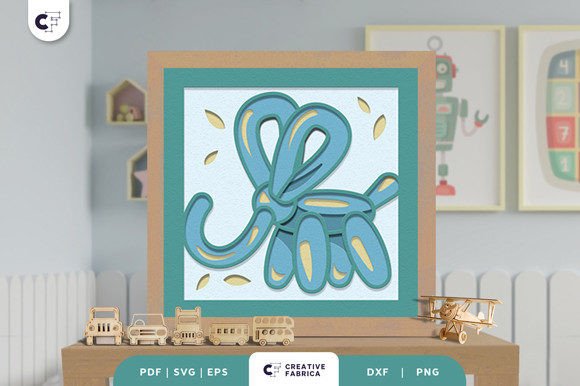
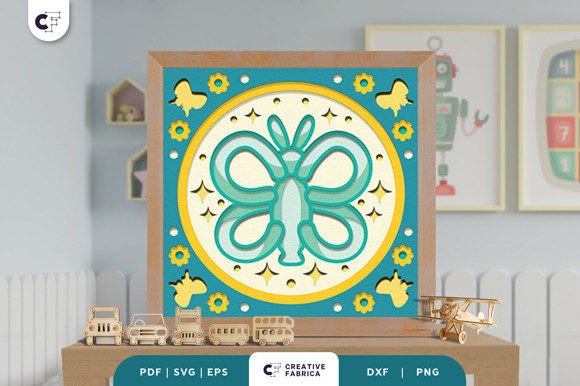
The moment you open the file structure, the layout suggests a playful yet structured aesthetic. The concept of a butterfly tethered by a balloon string immediately evokes themes of flight, dreams, and lightness. For a baby embroidery project, this is a winning combination. It feels softer than a standard floral motif and more dynamic than a simple text-based quote.
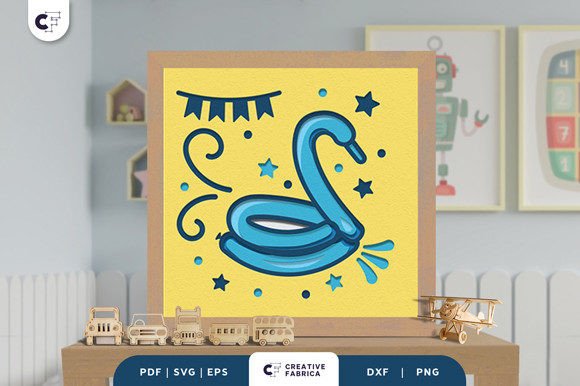
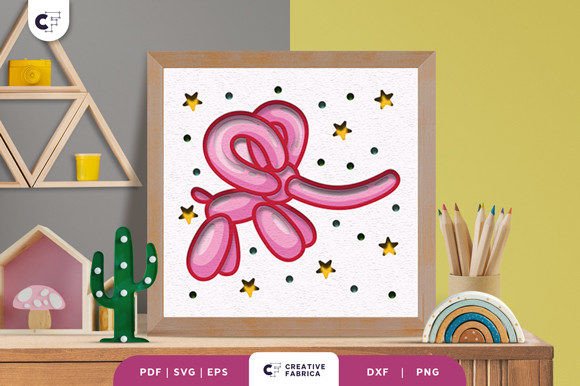
Visually, the design relies heavily on the interplay between negative space and filled areas. The "shadow box" aspect implies depth, which in machine embroidery usually translates to layered satin stitches or carefully placed fill stitches. My initial assessment is that this design has a high "shelf appeal." It looks expensive before it even leaves the machine. This is crucial for Etsy sellers and small shop product creators who need their listings to stop the scroll. The butterfly wings offer natural curves that are pleasing to the eye, while the balloon provides a solid anchor point for placement.
Real-World Application: The Custom Tote Scenario
To truly judge an embroidery file, you have to put it on something difficult. I decided to test the Balloon Butterfly 3D Shadow Box SVG on a heavy-duty canvas tote bag intended for a boutique client. This is a common use case for tote bag design assets because parents love carrying diaper bags and market bags with unique, handmade touches.
Placing the design centered on the front panel worked beautifully. The scale was appropriate—large enough to be seen but not so large that it overwhelmed the fabric. As I started the stitching process, I noticed how the thread colors popped against the neutral canvas. The contrast is key here. If you are using dark fabrics, you will need to ensure your thread palette is bright enough to cut through the background. In my test, a soft pastel pink and sky blue thread combination made the butterfly feel airy and delicate, perfectly matching the handmade product vibe that customers expect.
The result was a finished product that felt substantial. The "3D" effect, likely achieved through raised satin stitches or foam underlay (depending on the specific digitization), gave the balloon a slight lift off the fabric. This tactile element increases the perceived value of the item. Customers are willing to pay more for something they can feel, not just see. This makes the design excellent for personalized gifts where the recipient is looking for something special for a new arrival.
Performance on Different Fabrics and Garments
While the tote bag was a success, the true test lies in versatility. How does this machine embroidery design behave on other surfaces?
- Sweatshirts and Hoodies: This is perhaps the strongest use case. The plush texture of fleece or cotton blends enhances the shadow box effect. The design works well as a chest pocket placement or a larger back print. For sweatshirt embroidery, the stability of the fabric supports the stitch density required for the balloon outline without puckering.
- Baby Clothes: When applied to onesies or burp cloths, the design shines. The theme fits the Baby category perfectly. However, caution is advised regarding size. On small items like infant hats or booties, the details might become too cluttered. Always check the hoop size relative to the garment piece.
- Pillow Covers and Nursery Decor: Large home goods allow the design to breathe. A pillowcase featuring this Balloon Butterfly 3D Shadow Box SVG can serve as a centerpiece for a nursery theme. The clean lines of the balloon string provide a nice geometric contrast to the organic shapes of the butterfly wings.
Where to Exercise Caution
No design is perfect for every surface. There are specific scenarios where this embroidery project might struggle if not handled with care.
First, avoid placing this on highly textured fabrics like bouclé or thick waffle weaves. The needle penetration required for detailed satin stitches may be inconsistent, leading to skipped stitches or misaligned elements. Second, be wary of stretchy knits without proper stabilization. While the design itself isn't excessively dense, any movement in the fabric during stitching can distort the delicate curves of the butterfly wings.
Another area to watch is small detail resolution. If you plan to scale the design down significantly for tiny accents, inspect the smallest paths in your digitizing software. Tiny running stitches or thin outlines can disappear or merge together if the stitch count is too low. It is always better to slightly oversize a design than to undersize it and lose definition.
Practical Designer Notes for Execution
To get the best results from this digital embroidery file, follow these practical steps before committing to your final finished product.
- Test on Scrap Fabric: Never run a new design directly onto a customer’s garment. Use a scrap of the same fabric type to check for tension issues, thread breaks, or hooping difficulties.
- Check Thread Contrast: View your design in black and white mockup mode. This helps you assess the balance of light and dark areas. Ensure the butterfly stands out clearly against the chosen background color.
- Stabilizer Selection: For a design with potential depth, a cut-away stabilizer is often safer for long-term durability, especially for items that will be washed frequently. Tear-away may suffice for one-time use gifts, but woven or cut-away ensures the embroidered patch or graphic stays crisp over time.
- Review Stitch Density: Look at the fill stitches in the butterfly wings. Are they spaced appropriately? Too dense, and the fabric will pucker; too sparse, and the base fabric will show through. Adjust if necessary in your editing software.
- Licensing Verification: Before selling any commercial embroidery items or listing them on platforms like Etsy, double-check the license terms. Some designs are for personal use only, while others allow commercial sales. Clarifying this protects your craft business from legal issues.
Final Verdict
The Balloon Butterfly 3D Shadow Box SVG is a strong contender for designers looking to expand their design assets portfolio. It strikes a balance between whimsical charm and structural clarity. It is particularly effective for holiday embroidery projects (such as Easter or spring-themed collections) and everyday nursery decor.
For apparel decorators and creative entrepreneurs, this design offers a high return on investment due to its broad appeal and ease of application on popular items like totes and sweatshirts. Just remember to respect the limitations of fabric types and always prioritize quality control through testing. When executed correctly, this design transforms a simple garment into a memorable, professional-grade keepsake.