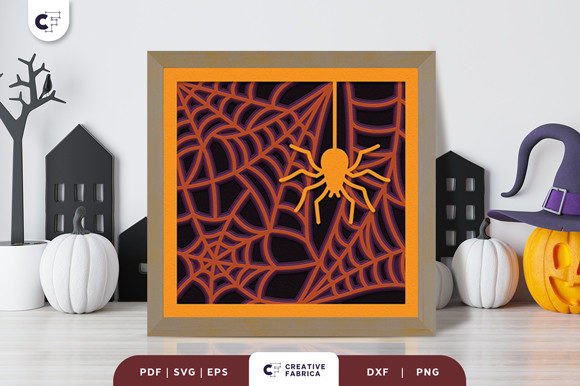
3D Spider Web Paper Cut SVG: A Seller’s Review
When I sit down to curate a new seasonal collection for my digital shop, I am constantly looking for assets that offer more than just basic clipart. As an experienced creator who has sold thousands of files across Etsy and Creative Fabrica, I know that the difference between a passive listing and a bestseller often comes down to perceived value and versatility. Recently, I evaluated a 3D Spider Web Paper Cut SVG asset that claims to bring depth to Halloween decor through simple light box techniques. After testing this graphic design asset across various mockups and production workflows, I have compiled a practical review on how it fits into a commercial product strategy.
First Impressions and Visual Personality
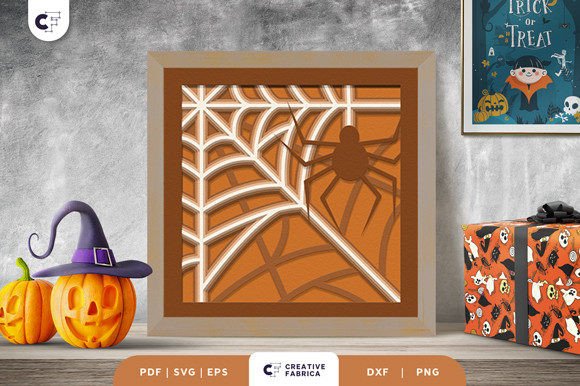
The immediate appeal of this 3D SVG lies in its ability to mimic physical craftsmanship without the labor-intensive process of actual paper cutting. The visual personality is intricate yet elegant, striking a balance between spooky and sophisticated. It does not feel like a cheap, cartoonish Halloween decoration; rather, it leans toward a modern, rustic aesthetic that appeals to homeowners looking for distinctive home decorations. This is crucial for targeting a specific buyer persona—typically the DIY enthusiast or the small business owner who wants to offer premium-quality seasonal items.
For digital product creators, this distinction matters. Buyers are increasingly savvy and can tell the difference between generic clipart and designs with structural integrity. This asset feels handmade and decorative, which allows you to position your final products at a higher price point. It is not merely festive; it has a commercial-grade polish that works well for brand identity building if you specialize in seasonal home decor.
Real-World Product Applications
One of the biggest challenges in the print-on-demand and digital download space is finding a single asset that can be repurposed across multiple product types. This 3D Spider Web Paper Cut SVG proves highly versatile. Here is how I tested it in real selling situations:
- SVG Products and Cricut Projects: For crafters using Cricut or Silhouette machines, clean cut lines are essential. I inspected the vector paths, and the intricate web details held up well, allowing for precise cutting on cardstock or vinyl. This makes it perfect for creating layered paper crafts or window clings.
- Printable Wall Art: Because the design simulates a 3D effect, it translates beautifully to printable wall art. Sellers can offer this as a high-resolution PNG design that customers can frame themselves, capitalizing on the trend of affordable, instant home decor.
- Sublimation Designs: When placed on mugs, tumblers, or tote bags, the intricate lines create a textured look that stands out against solid colors. It works particularly well on dark backgrounds where the white or metallic ink can pop, mimicking the look of a lit-up light box.
- Canva Templates and Invitation Design: Content creators and bloggers can use this illustration as a focal point for Halloween party invitations or social media graphics. Its complexity adds visual interest without requiring extensive layout skills.
- Digital Download Bundles: This asset serves as a strong anchor for a larger design bundle. You can pair it with complementary elements like pumpkins, bats, or autumn leaves to create a cohesive Halloween collection that increases average order value.
Enhancing Product Presentation and Sales
In the crowded world of creative marketplaces, thumbnail appeal is everything. A static image of a spider web might get lost among hundreds of similar listings. However, presenting this 3D Spider Web Paper Cut SVG within a realistic context changes the game. I recommend creating product mockups that show the design illuminated from behind, simulating the "light box" effect described in the original concept.
This approach supports visual storytelling by showing the customer exactly how the product will look in their home. It builds customer trust because they can visualize the end result. Furthermore, using this asset in promotional visuals helps establish a premium feel. When your listing images demonstrate high perceived value, click-through potential increases significantly. It transforms a simple digital file into a tangible solution for a customer’s decorating needs.
Strategic Placement and Usage
To maximize the impact of this graphic design asset, consider where it performs best. It shines in large product previews and themed bundles where the intricate details can be appreciated. It is ideal for decorative layouts, such as greeting cards or scrapbooking kits, where the focus is on texture and pattern.
However, there are areas where this asset requires careful handling. Due to its intricate nature, it may not work well as a tiny sticker detail where fine lines could become muddy or indistinguishable. Similarly, avoid placing it on overly complex layouts or crowded thumbnails where the visual hierarchy becomes confusing. If you are designing for low-resolution print products, ensure the file resolution is sufficient to prevent pixelation of the delicate web strands. Additionally, while the 3D effect looks great, be cautious when using it on dark backgrounds without proper contrast; the design relies on negative space and light interaction to maintain its depth.
Practical Seller Notes for Success
Before publishing any listing featuring this asset, I advise following a rigorous testing protocol. First, test the design on real mockups. Do not rely solely on digital renders; seeing how it interacts with different materials gives you a better sense of its commercial viability. Preview it as a marketplace thumbnail to ensure it remains legible at small sizes.
Technical checks are equally important. Verify PNG transparency to ensure no white boxes appear around the design when used on colored backgrounds. Inspect the SVG cut quality if you are selling it for cutting machines, ensuring all nodes are closed and paths are optimized. Confirm the file resolution, especially if offering high-res prints for sublimation or wall art.
Organization is key for customer satisfaction. Organize files clearly for customers, providing both SVG and PNG formats. When designing templates, experiment with typography to complement the intricate web. Pair this asset with serif fonts for a classic look, sans serif fonts for modern minimalism, or script fonts for a touch of elegance. Avoid handwritten fonts that might clash with the structured geometry of the web.
Finally, always confirm commercial licensing before selling finished products. Even if you purchase a license, verify whether it covers reselling physical goods made from the design versus digital downloads. By adhering to these practices, you protect your small business branding and ensure a professional experience for your buyers.
Final Verdict
The 3D Spider Web Paper Cut SVG is a valuable addition to any digital seller’s toolkit. It offers a blend of aesthetic appeal and functional versatility that aligns well with current market trends in seasonal decor. By testing it thoroughly and presenting it strategically, you can leverage this asset to create compelling Halloween collections that drive sales and enhance your store’s reputation for quality design assets.