3D Layered Sea Shells V3: A Designer's Review
I have spent years evaluating digital assets for my embroidery studio, and I know that a pretty image on a screen does not always translate to a beautiful stitched product. When I first opened the package for 3D Layered Sea Shells V3, my immediate reaction was one of curiosity. The preview suggests a coastal, breezy vibe, but as an experienced designer, I care less about the mood and more about how those layers will behave under the needle. This review is not just a description; it is a practical assessment of whether this design belongs in your next client project or if it should stay in the download folder.
The First Impression and Visual Personality
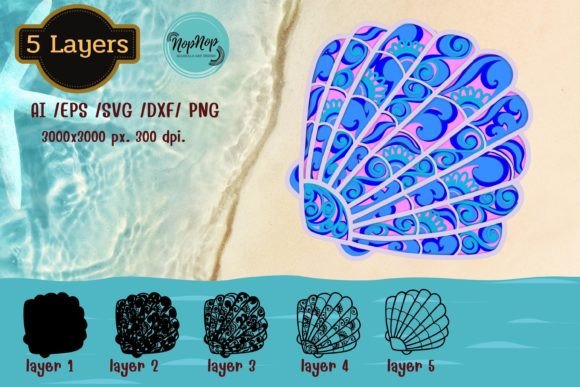
The moment you look at the 3D Layered Sea Shells V3, you see depth. Unlike flat vector shapes that rely solely on color blocking, this design promises dimensionality through its layered construction. It feels organic and textured, which is exactly what we want when moving from a digital file to a physical textile. The theme is unmistakably nautical, making it perfect for summer collections, beach-themed boutiques, or even nursery decor that needs a touch of the ocean without being overwhelming.
As a Shapes category entry, it stands out because it mimics the irregular beauty of real shells rather than geometric perfection. For a small business owner looking to create a cohesive brand identity, this design offers a natural aesthetic that feels hand-crafted. However, the "3D" aspect requires careful consideration. In the world of machine embroidery, 3D usually implies raised stitching techniques or complex layering that can be tricky to execute perfectly on every fabric type.
Real-World Application: From Screen to Stitch
To truly understand the potential of this design, I put myself in the shoes of a maker preparing a custom order. Imagine a scenario where a local boutique orders a limited run of canvas tote bags featuring a coastal collection. They need something that pops but remains durable enough for daily use. Would 3D Layered Sea Shells V3 work here?
Absolutely, provided the execution is right. The layered nature of the design allows for creative thread choices. You could use a lighter shade for the top shell layer and a darker tone for the base, creating a shadow effect that enhances the 3D illusion. This technique adds significant perceived value to the finished product. Customers are willing to pay more for items that look intricate and high-end. If you are selling on Etsy or running a craft fair booth, this design elevates a simple tote bag into a premium accessory.
Beyond totes, I see this design thriving on baby clothes. A soft sweatshirt or a onesie embroidered with these shells would make a stunning personalized gift for a baby shower. The rounded edges of the shells are generally safe for delicate fabrics, unlike sharp spikes that might snag. However, for a cap or hat, the curvature of the surface presents a challenge. While the design looks great on a flat plane, transferring it to a curved brim requires precise hooping and potentially reducing the stitch density to prevent puckering.
Where to Exercise Caution
Not every embroidery project is a good fit for every design, and honesty is key to maintaining professional standards. There are specific scenarios where 3D Layered Sea Shells V3 might struggle. If you are working with a very small hoop size, the detail in the layers might get lost or become too dense, leading to stiff, uncomfortable fabric.
Thin or stretchy fabrics are another red flag. Embroidery adds weight and tension to the cloth. On a thin cotton tee or a jersey knit, the layers of this design could cause the fabric to pucker significantly, ruining the drape of the garment. Similarly, dark fabrics require a strategic approach. Without a proper underlay or a contrasting background stabilizer, the details of the shells might disappear into the dark material. Always test your thread colors against the final fabric before committing to a full production run.
Dense stitch areas are also a concern. If the design relies heavily on fill stitches to create the 3D effect, it may become too rigid for items like pillow covers that need to remain soft to the touch. In these cases, simplifying the design or using a satin stitch outline instead of heavy fills might be necessary to maintain comfort while keeping the visual appeal.
Impact on Brand and Customer Trust
In the competitive world of handmade goods, the quality of your embroidery speaks volumes about your brand. A poorly executed design can lead to returns and negative reviews, while a well-stitched piece builds loyalty. 3D Layered Sea Shells V3, when done correctly, signals professionalism. It shows that you understand texture and depth, which are hallmarks of high-quality embroidery.
For commercial projects, the versatility of this design asset is a major plus. Whether you are creating holiday gifts, wedding favors, or corporate swag, the nautical theme is versatile enough to adapt to various seasons and occasions. It fits naturally into a brand story that values nature, craftsmanship, and coastal living. When customers see a crisp, well-defined shell design on a high-quality item, their trust in your ability to deliver increases immediately.
Essential Notes for the Embroidery Designer
Before you hit the start button on your machine, there are several technical steps you must take to ensure success. First, always test the design on scrap fabric that matches your intended project material. This is non-negotiable. You need to check how the stitch density interacts with the fabric grain and whether the hoop size accommodates the design without cutting off any layers.
Review the file structure carefully. The download includes AI and ESP files, which gives you flexibility in Adobe Illustrator for adjusting sizes and colors. However, you must verify the resolution and dimensions. The product description mentions an artboard size of 3000 × 3000 pixels at 300 dpi, which is excellent for digital previews, but you must ensure the embroidery file itself is scaled appropriately for your machine's maximum area. Do not assume the digital resolution translates directly to stitch count.
Check your stabilizer choice. For a design with multiple layers, a cut-away stabilizer is often recommended to provide long-term support, especially for items that will be washed frequently. If you are using a tear-away, ensure it is sturdy enough to hold the tension during stitching. Also, inspect the small details in the corners of the shells. These fine points are often the first to fail if the thread tension is off or if the needle is dull.
Finally, confirm your licensing terms. If you plan to sell finished products made with this design, ensure you have the commercial rights included in your purchase. Selling digital versions of the file itself is usually restricted unless explicitly stated. Use printable mockups to visualize the design on different backgrounds before investing in materials. Compare light and dark fabric options to see which offers the best contrast for your target audience.
By approaching 3D Layered Sea Shells V3 with a critical eye and a focus on technical execution, you can turn a simple digital download into a standout embroidery project. It is a design that rewards patience and skill, offering a beautiful result that customers will cherish. Whether you are a hobbyist making a gift or a business owner scaling your craft business, this asset has the potential to add a unique, dimensional flair to your collection.